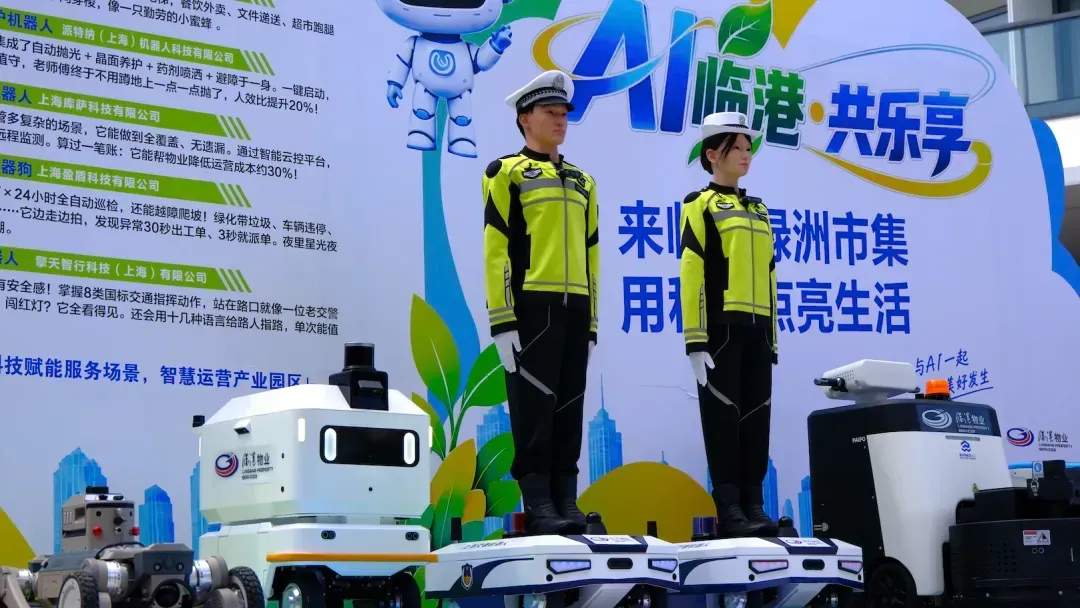
Public safety embodied intelligence goes on duty in real-world campuses: QT100 from Qingtian Intelligence enters Lingang Caohejing
Recently, at the “AI Lingang · Shared Enjoyment” science and technology market fair held by Lingshang Gan District Property Management, the QianTian Zhixing QT100 traffic control robot made its debut and immediately drew the attention of everyone present.
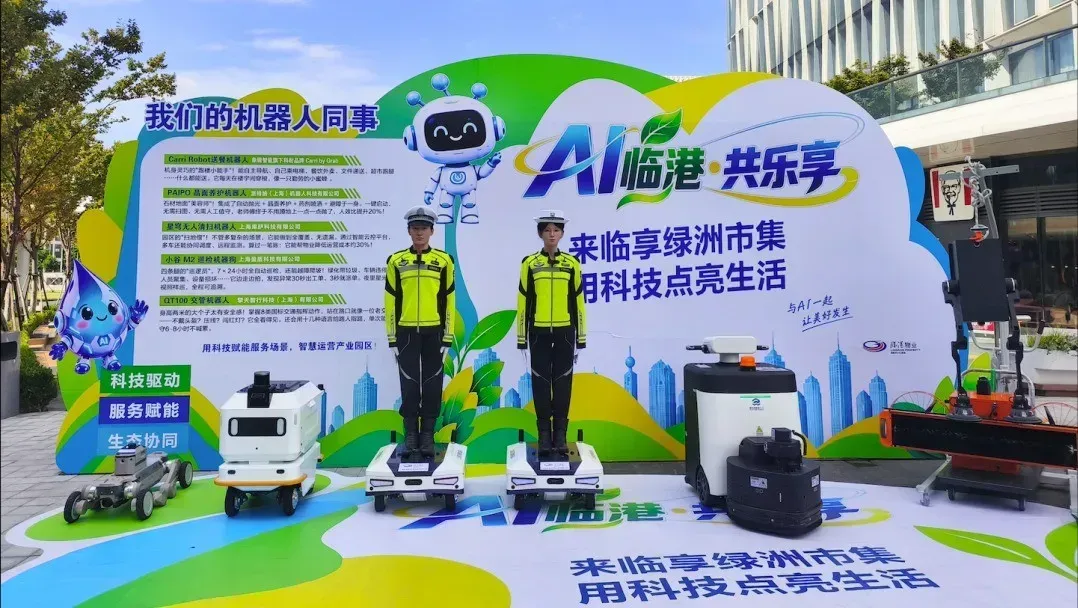
In front of the booth, he neatly performed a complete set of standard command gestures, demonstrating the identification and prompt for riders without helmets, and also answering the inquiries of the onlookers. The crowd quickly gathered: some held their phones to take pictures, some came closer to examine it, and some couldn’t help touching it.
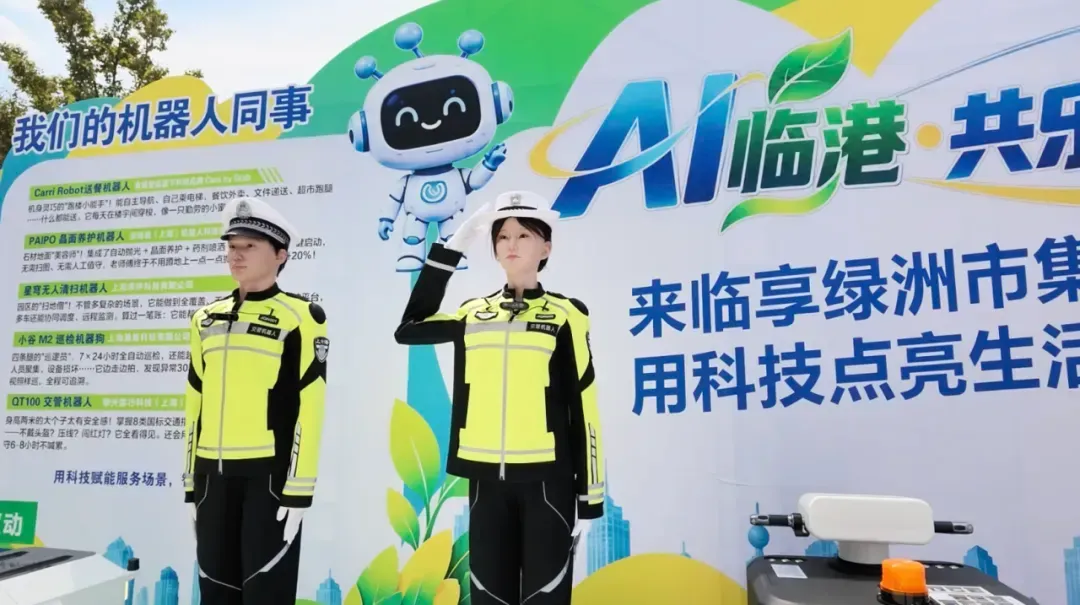
Prior to this, QT100 had completed on-site support tasks during the Shanghai Artificial Intelligence Conference. From the conference venue to the park market, it got one step closer to a real job position.
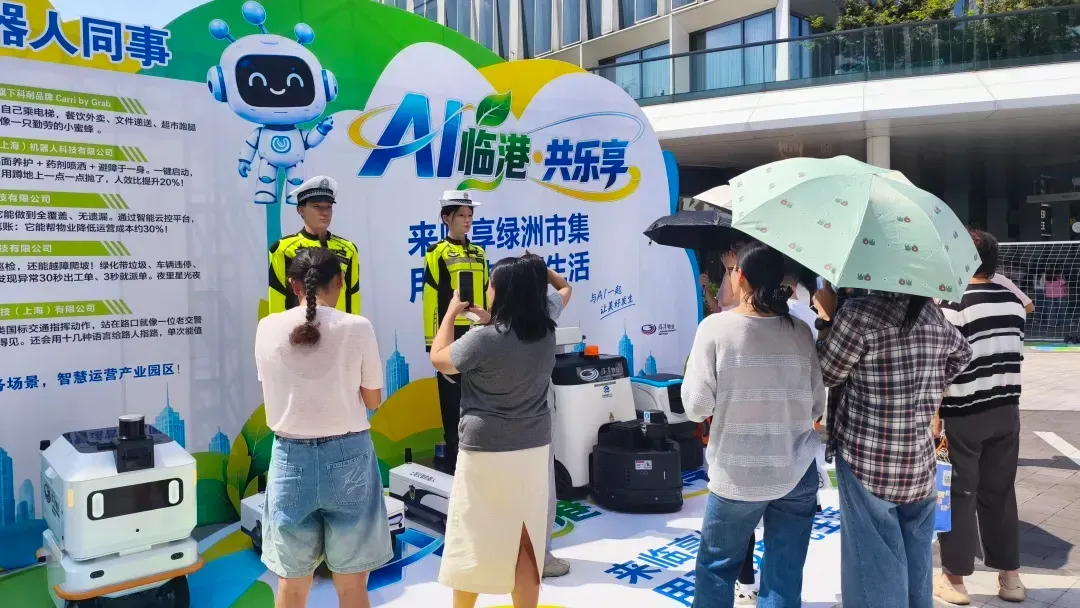
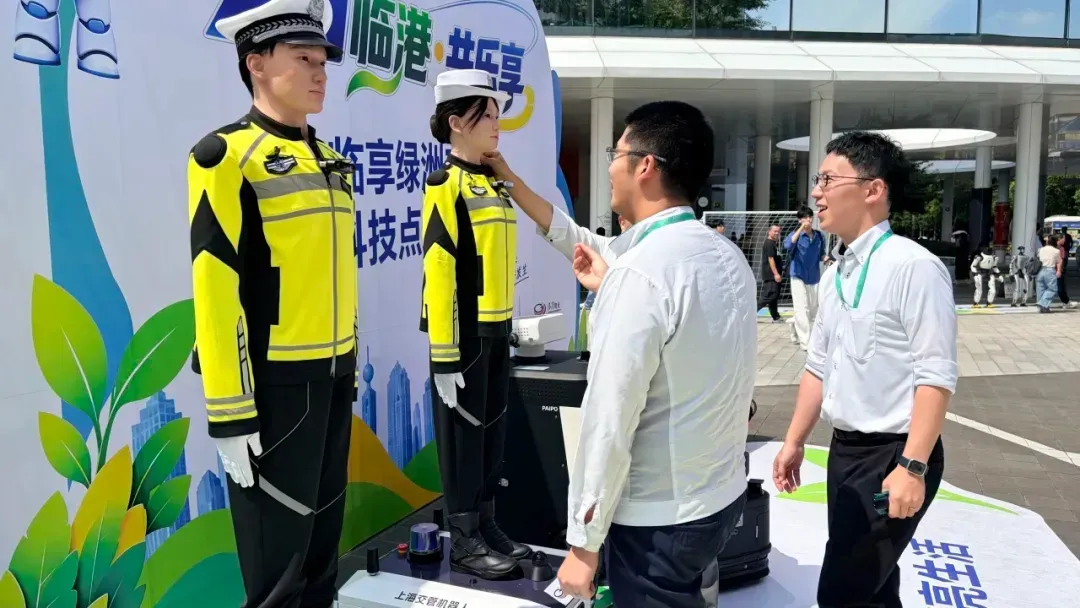
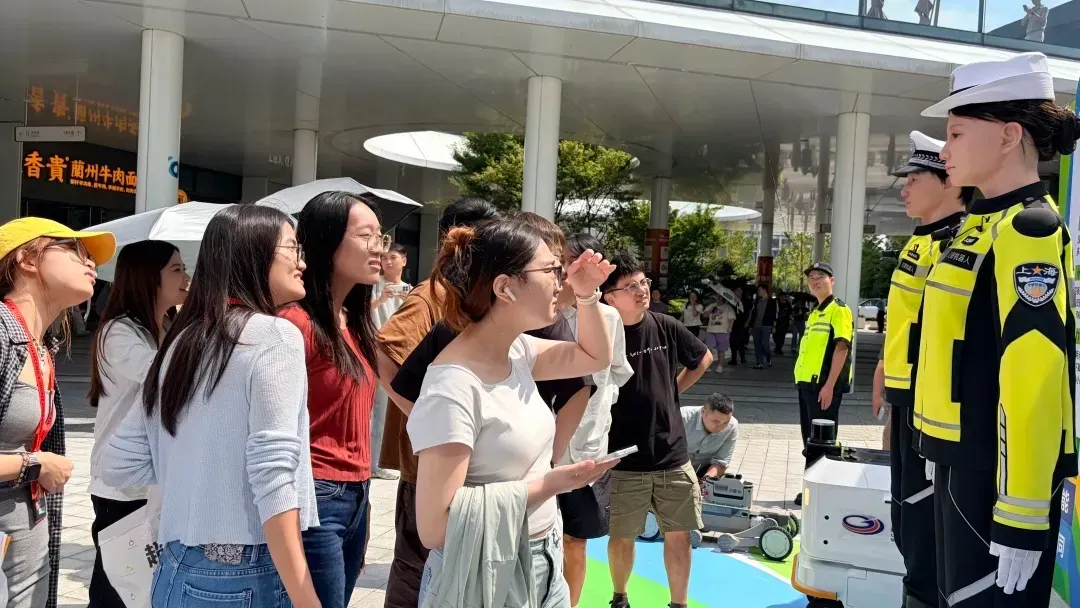
However, the level of attention paid to technology is never equivalent to its practical usability; but attention often marks the beginning of a genuine connection. The Lingshen Caohejing property management has continuously opened the park as a “real test bed” for AI, allowing embodied intelligent technologies to be tested, evaluated, scrutinized - and observed in real scenarios - this is the first question of this test.
But after being observed, the real problem arises: Can “robot colleagues” be put into service? In which positions can they be employed?
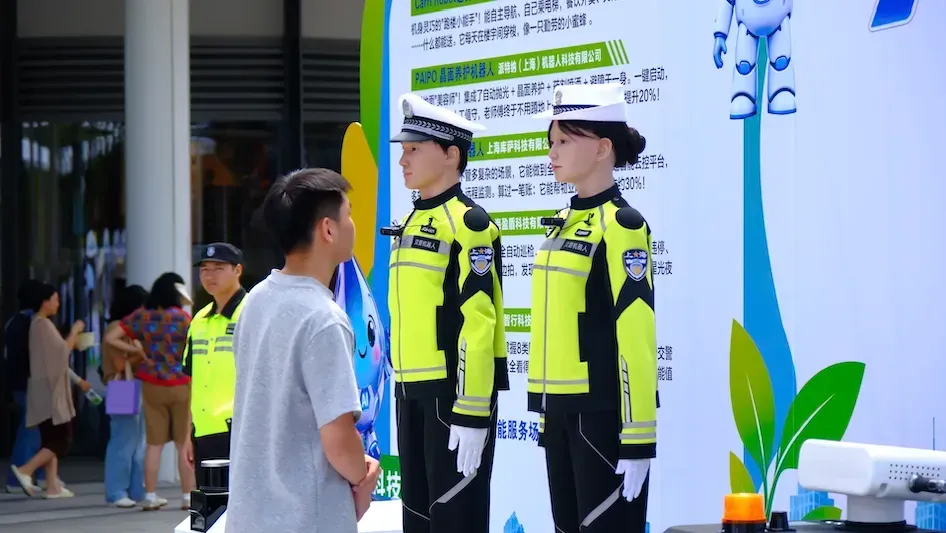
From exhibition security to park duty, public safety embodied intelligent technology is moving towards regular application.
In various parks, security guard posts at the entrance and traffic control posts at key intersections are rigidly configured, generally featuring human-intensive, round-the-clock rotation, and repetitive content. The Tian Tian Zhixing robots, based on their existing functions, can undertake a large amount of standardized and repetitive work in these two types of positions, forming a substitution or supplementation for some human resources.
Based on a calculation of at least 4 people rotating in a post and 7×24 duty, if the robots take on the work of 2 to 4 people, the “cost reduction and efficiency improvement” effect can be seen in the short term. In addition, the high-tech and display attributes of the “robot colleagues” also bring additional image and communication value to the smart park. The implementation of public safety embodied intelligent technology is a calculable account.
Of course, the feasibility on the paper does not equal the availability in the position. Next, it needs to be verified by real traffic flow, real shifts, and real emergencies.
More importantly, the repositioning of people. The positioning of public safety embodied intelligent technology is not to replace humans, but to be a reliable “mechanical assistant” for humans - handing over repetitive, boring, high-pressure, and dangerous tasks to the robots, allowing people to return to professional judgment, emergency handling, and warm services.
Technology has warmth, and protection has strength. Tian Tian Zhixing will continue to deeply explore the field of public safety embodied intelligent technology, using hard technology to serve society and promoting more “brain-machine integration” technologies to take root and be implemented in real scenarios.